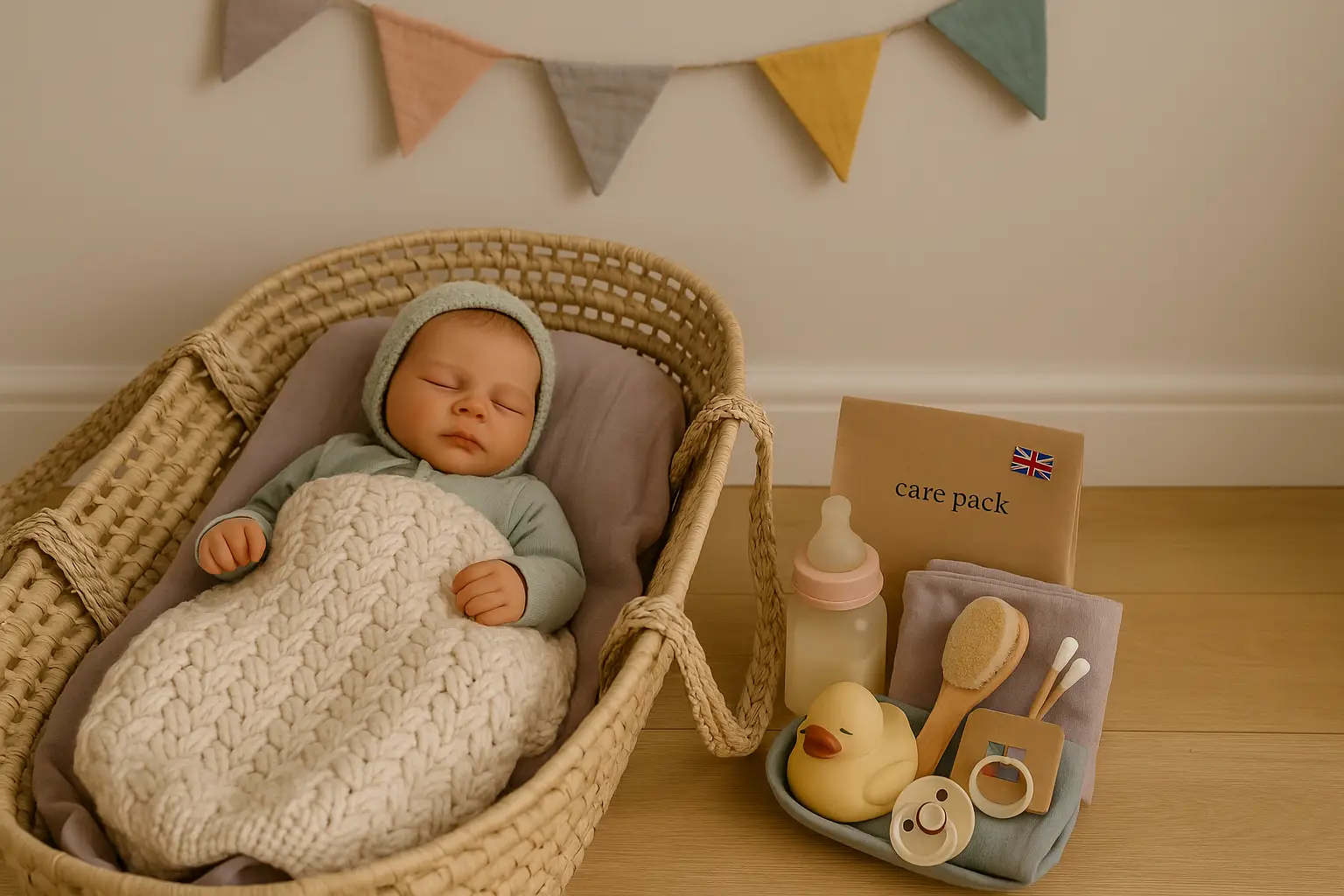
A reborn doll isn’t just a collectible. For many, it is a source of calm, a sensory anchor, or a reminder of nurturing moments. But like anything precious, it needs the right care — and when it comes to cleaning, the right method matters.
These dolls are not designed to be bathed or scrubbed like toys. They are hand-painted, sealed artworks weighted with delicate materials. Cleaning them incorrectly can damage the paint, dull the varnish, or leave the body damp and musty.
This guide will show you exactly how to clean a reborn doll safely, step by step, so you can keep yours looking lifelike and in good condition for years to come.
Why Reborn Dolls Need Special Cleaning
Reborns are made from a combination of materials:
- Vinyl limbs and head, carefully painted in translucent layers
- A cloth body filled with glass beads or polyfill for lifelike weight
- Optional rooted mohair, lashes, and magnets for dummies
Each of these components reacts differently to moisture, cleaning products, and friction. Using the wrong products, or treating them like bathable dolls, can:
- Strip away protective varnish
- Cause paint to fade or peel
- Lead to mould or odour inside the cloth body
- Loosen glue on mohair or lashes
Cleaning a reborn doll safely is simple, but it requires gentle methods and the right materials.
What You’ll Need
Before you begin, gather these supplies:
- A soft, lint-free cloth (microfibre is ideal)
- Distilled water in a spray bottle (tap water can leave marks)
- A clean makeup brush or soft duster for removing lint and dust
- Cotton buds for tiny creases (optional)
- Baby-safe wipes (alcohol and fragrance-free) for occasional spot cleaning on the cloth body
- A flat, padded surface for laying your doll
Optional (for added freshness):
- Unscented, baby-safe dryer sheets for storage
- A light reborn-safe scent pad (for nappies or blankets, not for cleaning — see our scenting guide)
Step-by-Step: How to Clean a Reborn Doll
Step 1: Prepare Your Space
Lay your doll on a soft towel or blanket to protect the vinyl and prevent rolling. Make sure your hands are clean and dry — oils and lotions can transfer during cleaning.
Step 2: Remove Dust and Lint
Use a soft makeup brush or microfibre cloth to gently sweep away dust:
- Work over the vinyl and cloth body carefully
- Pay extra attention to creases around the neck, wrists, and ankles
- Avoid vigorous rubbing, as friction can cause shine over time
Step 3: Clean Vinyl Areas
The limbs and head are where most surface marks appear. To clean vinyl safely:
- Lightly dampen your cloth with distilled water — never soak it
- Wipe gently using small, circular motions
- For stubborn spots, use a cotton bud dampened with water
- Immediately pat dry with a clean section of your cloth
Do not use:
- Standard baby wipes (most contain alcohol or oils)
- Household cleaners or soap
- Submerging in water (this can damage internal weighting)
Step 4: Freshen the Cloth Body
The cloth body should rarely need cleaning, but if it picks up lint or a faint odour:
- Use a lint roller or a soft brush for surface lint
- Spot clean small marks with a baby-safe, alcohol-free wipe
- Allow to fully air-dry before storing or dressing
Never soak or submerge the body. The inner filling can trap moisture, leading to mould or odour.
Step 5: Care for Rooted Mohair (If Applicable)
Mohair can look fluffy or tangled after handling or storage. To refresh it safely:
- Lightly mist with distilled water (avoid soaking the scalp)
- Gently detangle with a soft baby brush or clean toothbrush, starting at the ends
- Smooth the style with light strokes and avoid over-brushing
For full details, see our Mohair Care Guide. Avoid human conditioners, heat styling, or heavy water saturation.
Step 6: Check for Stains or Marks
Dark clothing can sometimes leave dye transfer, especially if left on for long periods. To prevent and address this:
- Wash all dark or bright garments before use
- If a faint stain appears, wipe gently with water only
- For persistent marks, contact a reborn artist — scrubbing or chemicals can damage paint
Step 7: Add Freshness (Optional)
If you like your reborn to have a subtle, baby-like scent:
- Place a lightly scented pad inside the nappy or under a blanket
- Avoid applying fragrance directly to the doll or hair
- Choose gentle scents such as baby powder or fresh linen
See our Guide to Scenting Your Reborn for safe scenting tips.
How Often Should You Clean a Reborn Doll?
Reborns do not need frequent cleaning, and over-cleaning can shorten their lifespan:
- Dust gently as needed (every couple of weeks or monthly)
- Clean vinyl areas only when marks are visible
- Refresh mohair when necessary, but avoid daily brushing
What Not to Do When Cleaning a Reborn Doll
To keep your reborn doll in good condition:
- Never submerge the doll in water
- Avoid alcohol, bleach, soaps, or harsh cleaners
- Do not scrub vinyl — gentle wiping is enough
- Keep away from heat sources when drying or styling
When to Seek Professional Help
If your reborn develops deeper issues, such as peeling paint, severe staining, or loose limbs, a professional reborn artist can help restore it:
- They can reseal paint, reroot hair, or replace the body safely
- Avoid DIY repairs, as home fixes often cause further damage
Keeping Your Reborn Doll in Good Condition
Cleaning is just one part of reborn care. To protect your doll fully:
- Handle gently, supporting the head and limiting friction
- Store away from sunlight, heat, and damp
- Wash dark clothing before dressing
- Rotate display positions to prevent pressure marks
For a full care routine, see our Complete Guide to Caring for Your Reborn Doll. With the right habits, you will keep your reborn doll looking lifelike and comforting for many years.
Explore More Reborn Care Guides